
Jun 1, 2026
Cheque Bounce Cases Under Section 138 NI Act: Legal Process Explained (2026 Guide)
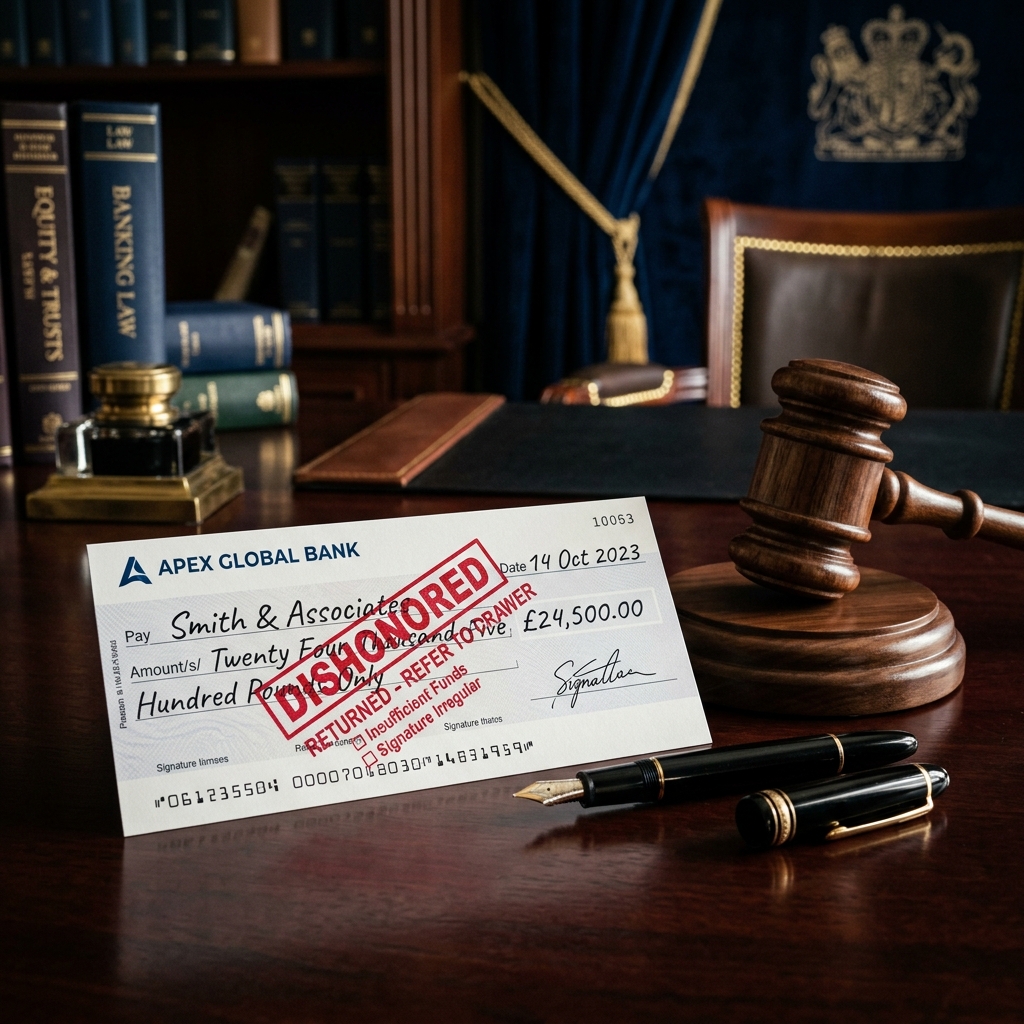
A cheque is widely regarded as a reliable mode of payment in business and personal transactions. However, when a cheque is dishonoured due to insufficient funds or other legally recognized reasons, it can lead to serious legal consequences.
A Cheque Bounce Case is governed by Section 138 NI Act (Negotiable Instruments Act, 1881), which provides a criminal remedy when a cheque issued towards a legally enforceable debt or liability is dishonoured and the drawer fails to make payment after receiving a statutory demand notice. The provision aims to promote trust in commercial transactions while protecting the rights of the payee.
This guide explains the complete legal process, important timelines, documents required, possible penalties, and why consulting an experienced Cheque Bounce Lawyer is crucial.
What is a Cheque Bounce Case?
A Cheque Bounce Case arises when a cheque presented to the bank is returned unpaid for reasons recognized under law, such as:
- Insufficient funds in the account
- Amount exceeding the arranged banking limit
- Account closed
- Payment stopped by the drawer (in certain circumstances)
- Other legally recognized grounds that attract liability under Section 138
For criminal liability to arise, the cheque must have been issued towards a legally enforceable debt or liability. A cheque issued purely as a gift or without any enforceable obligation may not attract Section 138.
What is Section 138 NI Act?
Section 138 NI Act makes the dishonour of certain cheques a criminal offence when the statutory requirements are fulfilled. The law generally requires:
- The cheque must be issued towards a legally enforceable debt or liability.
- The cheque must be presented within its validity period.
- The bank must return the cheque unpaid.
- The payee must send a legal demand notice within 30 days of receiving the memo.
- The drawer must fail to make payment within 15 days of receiving the notice.
Only after these conditions are satisfied does the cause of action arise for filing a complaint before the competent Magistrate.
Step-by-Step Legal Process in a Cheque Bounce Case
Step 1: Presentation of the Cheque
The cheque is presented to the bank within its period of validity. If the cheque is dishonoured, the bank issues a Cheque Return Memo stating the reason for dishonour.
Step 2: Issue a Legal Demand Notice
After receiving the return memo, the payee must send a written legal demand notice to the drawer within 30 days. This notice is a mandatory requirement before initiating criminal proceedings.
Step 3: Wait for 15 Days
After the drawer receives the notice, they have 15 days to make payment. If the amount is paid within this period, the matter ends. If payment is not made, the complainant acquires the right to initiate proceedings under Section 138.
Step 4: File the Complaint
The complaint must generally be filed before the competent Judicial Magistrate within 30 days from the date on which the cause of action arises (i.e., after expiry of the 15-day payment period).
Step 5: Court Proceedings
Once the complaint is filed, the Court examines the complaint, issues summons to the accused, records evidence, hears arguments, and delivers its judgment. Many cheque bounce disputes are resolved through settlement or compounding before the trial concludes.
Documents Required for Filing a Cheque Bounce Case
An experienced Cheque Bounce Lawyer will usually require the original cheque, bank return memo, copy of the legal demand notice with dispatch/delivery proof, and relevant agreements or invoices supporting the debt.
Punishment Under Section 138 NI Act
Upon conviction, the Court may impose:
- Imprisonment for up to two years, or
- A fine that may extend to twice the amount of the cheque, or
- Both imprisonment and fine, depending on the facts.
Common Defences in a Cheque Bounce Case
The accused may raise legal defences such as:
- No legally enforceable debt or liability existed.
- The cheque was lost, stolen, or misused.
- The cheque was issued only as security (depending on the facts).
- Payment had already been made.
- The complaint is barred by limitation or mandatory requirements were not complied with.
Can a Cheque Bounce Case Be Settled?
Yes. Offences under Section 138 NI Act are compoundable, meaning the parties may settle the dispute even after the complaint has been filed. Courts generally encourage amicable settlements where appropriate, and various mediation and Lok Adalat initiatives are often used to resolve pending disputes efficiently.
Why Hiring an Experienced Cheque Bounce Lawyer Matters
Cheque bounce litigation involves strict statutory timelines. Missing a deadline or serving an incorrect notice can adversely affect your case. An experienced Cheque Bounce Lawyer can assess requirements, draft and issue a legally compliant demand notice, and file the complaint within the prescribed limitation period.
Frequently Asked Questions (FAQs)
What is the time limit for sending a legal notice after a cheque bounces?
The payee must send the statutory legal notice within 30 days from receiving the bank's cheque return memo.
How long does the drawer have to make payment after receiving the notice?
The drawer has 15 days from receipt of the legal notice to make payment and avoid prosecution.
Can a Cheque Bounce Case be settled after filing?
Yes. Since the offence is compoundable, parties may settle the dispute during the pendency of the proceedings.
Conclusion
A Cheque Bounce Case under Section 138 NI Act provides an effective legal remedy when a cheque issued towards a legally enforceable debt is dishonoured. However, the law prescribes strict timelines. Missing these deadlines may weaken or even defeat your legal remedy.
Whether you are seeking to recover unpaid dues or defending a cheque bounce complaint, consulting an experienced Cheque Bounce Lawyer at the earliest stage is critical. Get in touch with us to schedule a legal consultation.