
Jul 15, 2026
How to File a Case in the Delhi High Court: Step-by-Step Guide (2026)
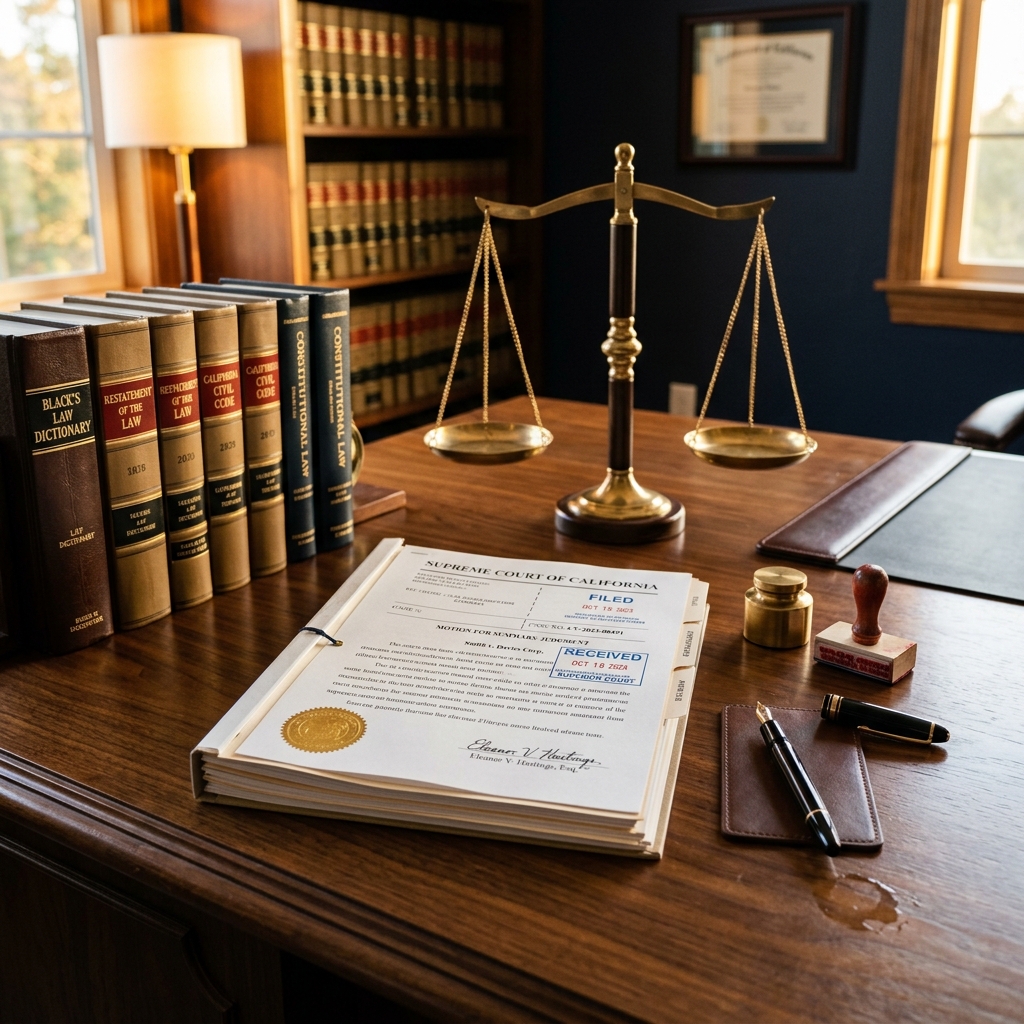
The Delhi High Court exercises both original and appellate jurisdiction over civil and criminal matters in the National Capital Territory of Delhi. Whether you are filing a writ petition, a civil suit, an appeal, or a company matter, understanding the filing procedure, jurisdiction, and documentation requirements is essential.
This guide explains the complete process of filing a case before the Delhi High Court. For professional assistance with drafting, filing, and representation, consult a High Court Advocate in Delhi.
Types of Cases Filed in the Delhi High Court
- Writ Petitions: Under Article 226/227 of the Constitution for enforcement of fundamental rights or challenging government/administrative action.
- Civil Appeals: Appeals against orders of District Courts, Tribunals, and other subordinate courts.
- Criminal Appeals: Appeals against conviction, sentence, or acquittal by Sessions/Magistrate Courts.
- Civil Original Suits: Original jurisdiction matters including intellectual property, company law, and commercial disputes above the prescribed pecuniary limit.
- Bail Applications: Regular bail, anticipatory bail, and bail in non-bailable offences.
- Matrimonial Appeals: Appeals under the Hindu Marriage Act, Special Marriage Act, and other family law statutes.
Step-by-Step Procedure to File a Case
Step 1: Determine Jurisdiction and Case Type
Identify whether your matter falls under the Delhi High Court's original jurisdiction (filed directly), appellate jurisdiction (challenging a lower court order), or writ jurisdiction (challenging government action). An advocate can assess the correct forum and procedure.
Step 2: Draft the Petition / Plaint / Memorandum of Appeal
The petition must be clearly drafted with:
- Facts of the case in chronological order
- Legal grounds and applicable provisions of law
- Specific relief sought from the Court
- Supporting affidavit sworn before a Notary or Oath Commissioner
Step 3: Compile Supporting Documents
Prepare a paginated and indexed bundle of documents including:
- Impugned order or judgment (for appeals)
- Supporting documentary evidence
- Relevant correspondence and notices
- Affidavit of the petitioner/appellant
- Vakalatnama (Authority to Appear)
Step 4: Calculate and Pay Court Fees
Court fees are prescribed under the Court Fees Act and vary based on the type of case and relief sought. Writ petitions generally attract a fixed court fee, while civil suits require ad valorem fees calculated on the suit valuation.
Step 5: E-Filing Through the Delhi High Court Portal
The Delhi High Court mandates electronic filing through its official e-filing portal. Steps include:
- Register as an advocate on the DHC e-filing portal
- Upload the petition, supporting documents, and vakalatnama in PDF format
- Pay court fees online
- Generate the e-filing receipt and case number
Step 6: Scrutiny and Defect Removal
After filing, the Registry scrutinizes the documents. If defects are found (missing documents, incorrect court fees, formatting issues), a defect notice is issued. Defects must be cured within the stipulated time.
Step 7: Listing and First Hearing
Once the case clears scrutiny, it is listed before the appropriate bench. The advocate presents preliminary arguments, and the Court may issue notice to the opposite party, grant interim relief, or schedule the next hearing.
Important Tips for Filing in the Delhi High Court
- Always file within the limitation period — delayed filings require condonation applications.
- Ensure all documents are properly paginated, indexed, and legible.
- Include certified copies of impugned orders for appeals.
- Serve advance copies on the opposite party's advocate where required.
Conclusion
Filing a case in the Delhi High Court requires attention to jurisdictional requirements, procedural rules, and documentation standards. Proper legal drafting and adherence to e-filing protocols ensure smooth processing of your matter.
For assistance with filing writ petitions, appeals, or any matter before the Delhi High Court, reach out to our legal team. Our High Court practice covers civil, criminal, constitutional, and family law matters.