
May 25, 2026
How to File a Writ Petition in the High Court: Complete Process (2026 Guide)
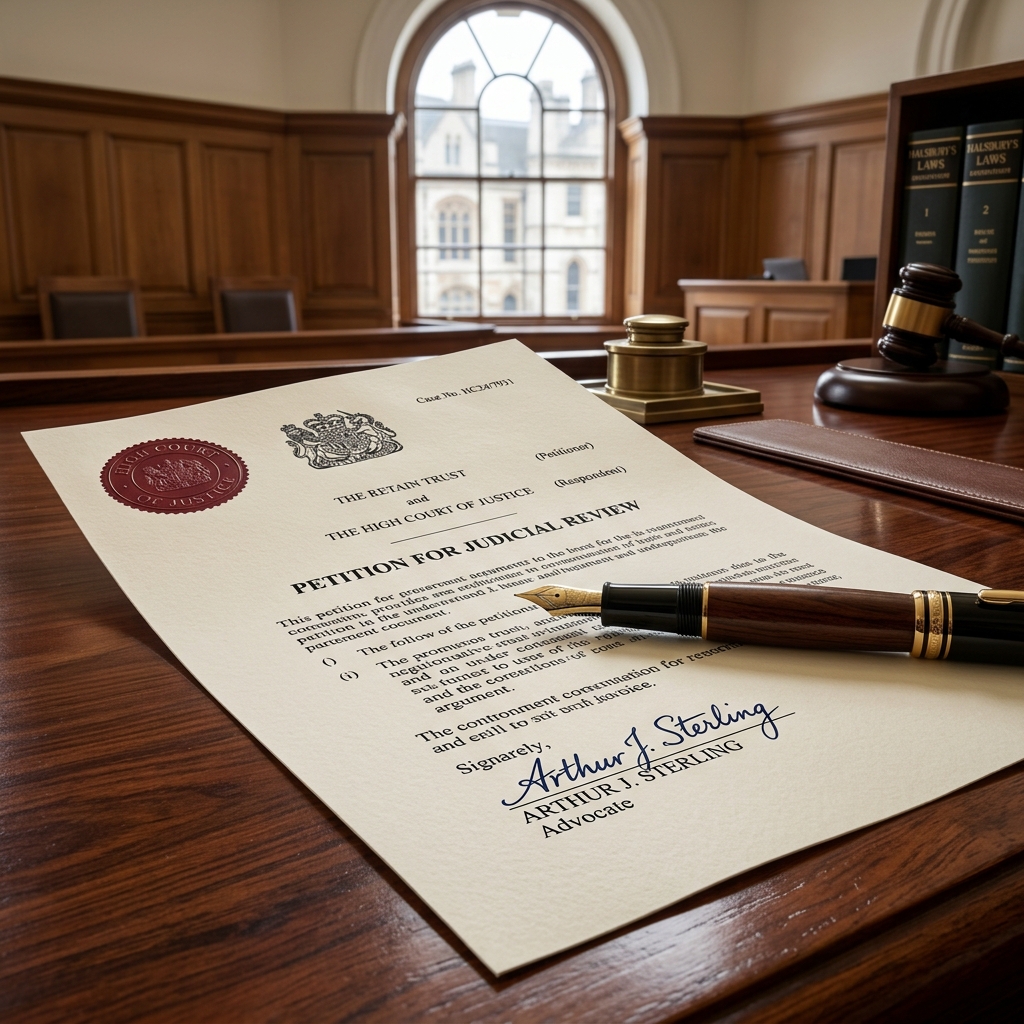
When a government authority acts arbitrarily, violates your legal or fundamental rights, or fails to perform a statutory duty, you may seek relief by filing a Writ Petition before the High Court.
The power of every High Court to issue writs is derived from Article 226 of the Constitution of India. This constitutional remedy plays a vital role in protecting citizens from unlawful actions by public authorities and ensuring that government bodies act within the limits of the law.
Whether you are an individual, a business, or an institution, understanding the procedure for filing a Writ Petition can help you safeguard your legal rights effectively.
This guide explains everything you need to know about filing a writ petition in the High Court, including eligibility, required documents, the filing process, timelines, and the importance of engaging an experienced Writ Petition Lawyer.
What is a Writ Petition?
A Writ Petition is a constitutional remedy through which a person approaches the High Court seeking protection or enforcement of legal or fundamental rights against the State, public authorities, statutory bodies, or any authority performing public functions.
Unlike ordinary civil or criminal proceedings, writ jurisdiction is an extraordinary constitutional jurisdiction exercised by the High Court to ensure justice where public authorities have acted illegally, arbitrarily, or beyond their powers.
What is Article 226?
Article 226 empowers every High Court in India to issue directions, orders, or writs for:
- Enforcement of Fundamental Rights.
- Enforcement of other legal rights.
- Correction of illegal administrative actions.
- Judicial review of governmental decisions.
- Ensuring public authorities perform their statutory duties.
One important feature of Article 226 is that its scope is wider than the jurisdiction under Article 32 of the Constitution because High Courts may grant relief not only for violations of Fundamental Rights but also "for any other purpose" involving legal rights.
Types of Writs That a High Court Can Issue
The High Court may issue any of the following constitutional writs:
- Habeas Corpus: Issued to secure the release of a person who is unlawfully detained.
- Mandamus: Directs a public authority to perform a legal or statutory duty that it has failed or refused to perform.
- Certiorari: Issued to quash an order passed by a lower court, tribunal, or authority where it has acted without jurisdiction or committed an error of law.
- Prohibition: Prevents a lower court or tribunal from proceeding with a matter beyond its jurisdiction.
- Quo Warranto: Challenges the legal authority of a person holding a public office without lawful entitlement.
Who Can File a Writ Petition?
A Writ Petition may generally be filed by any person whose legal or fundamental rights have been violated, companies, trusts, educational institutions, or public interest litigants (via PILs). The petitioner must ordinarily demonstrate that they have sufficient legal interest in the matter.
When Can You File a Writ Petition?
You may approach the High Court when a government authority acts illegally, administrative action is arbitrary, fundamental rights are violated, or a statutory authority fails to discharge its duty. Although High Courts possess broad powers, they generally expect litigants to exhaust statutory remedies first, except in cases of lack of jurisdiction, breach of natural justice, or violation of fundamental rights.
Documents Required for Filing a Writ Petition
An experienced Writ Petition Lawyer will usually require:
- Identity proof of the petitioner
- Copies of the impugned order or notice
- Relevant correspondence and supporting documentary evidence
- Affidavit verifying the petition
- List of dates, events, and synopsis of facts
- Vakalatnama and court fees
Step-by-Step Process to File a Writ Petition in the High Court
Step 1: Legal Consultation
A High Court Advocate first evaluates whether the matter is suitable for invocation of Article 226 and whether alternative remedies have been exhausted.
Step 2: Collect Relevant Documents
All relevant orders, notices, communications, and supporting evidence are compiled.
Step 3: Draft the Writ Petition
The petition is drafted detailing the facts, grounds, violations, and reliefs sought. Strong legal drafting is essential because writ jurisdiction is discretionary.
Step 4: Filing Before the High Court
The petition is filed before the appropriate High Court having territorial jurisdiction. The Registry scrutinises the petition for compliance.
Step 5: Removal of Office Objections
If procedural defects are identified, they must be rectified within the prescribed period.
Step 6: Preliminary Hearing
The Court considers whether the petition is maintainable and whether notice should be issued. Interim protection may also be granted.
Step 7: Reply by the Respondents
The concerned government department or public authority files its response before the Court.
Step 8: Final Hearing
After hearing both parties, the High Court delivers its judgment, which may allow or dismiss the petition, or issue appropriate directions.
Time Limit for Filing a Writ Petition
Unlike many statutory proceedings, there is no fixed limitation period for filing a Writ Petition under Article 226. However, undue delay (laches) may lead the Court to decline relief. Petitioners should approach the High Court without unnecessary delay.
Why Hiring an Experienced Writ Petition Lawyer Matters
Writ proceedings involve constitutional principles, procedural requirements, and judicial discretion. An experienced Writ Petition Lawyer can assess maintainability, identify the correct remedy, draft persuasive grounds, seek interim relief, and represent clients effectively before the High Court.
Frequently Asked Questions (FAQs)
Can a Writ Petition be filed against a private individual?
Generally, writs are maintainable against the State or public authorities. In limited situations, certain writs may be maintainable against private bodies discharging public duties.
Can the High Court refuse to hear a Writ Petition?
Yes. Since writ jurisdiction under Article 226 is discretionary, the Court may decline to entertain a petition where an effective alternative statutory remedy exists or where there is undue delay without justification.
Conclusion
A Writ Petition under Article 226 is one of the most powerful constitutional remedies available to protect legal and fundamental rights. Whether the dispute concerns administrative decisions, statutory duties, or constitutional violations, approaching the High Court through the correct legal process is essential.
If you believe your rights have been infringed, consulting an experienced High Court Advocate or Writ Petition Lawyer can help you evaluate your case and prepare a strong petition. Contact our chambers today to discuss your matter.