
May 15, 2026
How to File a Special Leave Petition (SLP) in the Supreme Court of India (2026 Guide)
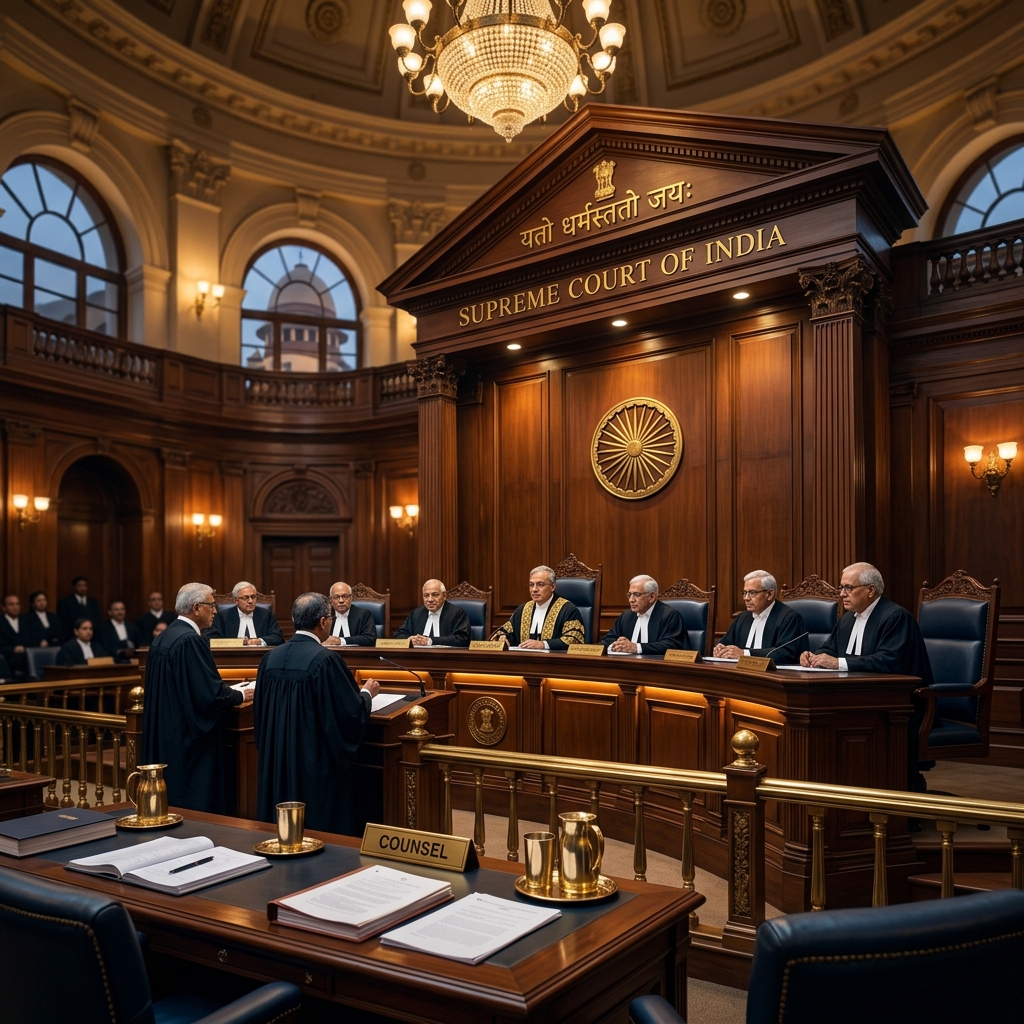
If you have exhausted all legal remedies before the High Court but believe that a serious miscarriage of justice has occurred, a Special Leave Petition (SLP) may provide you with an opportunity to seek relief before the Supreme Court of India.
The Special Leave Petition is one of the most significant constitutional remedies available under Article 136 of the Constitution of India. However, filing an SLP is not as straightforward as filing a regular appeal. The Supreme Court exercises discretionary jurisdiction, meaning it decides whether a case deserves to be heard.
In this comprehensive 2026 guide, we explain everything you need to know about filing a Special Leave Petition, including eligibility, procedure, timelines, documents, costs, and the importance of choosing the right SLP lawyer.
What is a Special Leave Petition (SLP)?
A Special Leave Petition (SLP) is a petition filed before the Supreme Court of India seeking special permission to appeal against a judgment, decree, determination, sentence, or order passed by any court or tribunal in India (except military tribunals).
Unlike statutory appeals, an SLP is not a matter of right. The Supreme Court has complete discretion to decide whether the case involves substantial questions of law, gross injustice, violation of fundamental legal principles, or matters of national importance.
Constitutional Basis of a Special Leave Petition
The power to entertain a Supreme Court SLP comes from Article 136 of the Constitution of India, which grants the Supreme Court extraordinary appellate jurisdiction.
Article 136 enables the Court to intervene where justice demands, even if no regular appeal is available under any statute.
When Can You File an SLP in India?
You may file SLP in India in situations such as:
- After a High Court judgment or final order.
- Against decisions of various tribunals.
- When no statutory appeal is available.
- Where there is grave injustice.
- When important legal questions arise.
- Where constitutional interpretation is involved.
- When conflicting judgments require clarification.
However, not every unfavorable judgment qualifies for an SLP. The Supreme Court generally expects exceptional circumstances.
Who Can File a Special Leave Petition?
A Special Leave Petition may be filed by:
- Individuals
- Companies
- Government authorities
- Trusts
- Societies
- Legal representatives
- Any aggrieved party affected by the judgment
Time Limit to File an SLP
The limitation period generally depends on the nature of the order:
- 90 days from the date of the High Court judgment.
- 60 days where an SLP is filed against the dismissal of a review petition.
If there is a delay, an application for condonation of delay must be filed explaining sufficient cause. Missing limitation deadlines without adequate justification may result in dismissal.
Documents Required for Filing an SLP
An experienced SLP lawyer will usually require:
- Certified copy of the impugned judgment
- Copies of lower court orders
- Review petition order (if applicable)
- List of dates and events
- Synopsis of the case
- Petition under Article 136
- Affidavit
- Vakalatnama
- Court fee
- Relevant annexures
- Supporting documents
Proper documentation significantly improves procedural compliance.
Step-by-Step Process to File an SLP in India
Step 1: Legal Evaluation
Your lawyer first examines whether the case involves substantial questions of law or exceptional circumstances that justify invoking Article 136.
Step 2: Drafting the Petition
The petition should include:
- Brief facts
- Grounds for challenge
- Questions of law
- Relief sought
- Constitutional issues (if any)
Professional drafting is critical because the Court carefully scrutinizes admission-stage petitions.
Step 3: Preparing Supporting Documents
All annexures, judgments, affidavits, and procedural documents are compiled and verified.
Step 4: Filing Before the Supreme Court
The Supreme Court SLP is electronically or physically filed before the Registry. The Registry examines procedural compliance before listing the matter.
Step 5: Removal of Office Objections
If defects are identified, they must be rectified within the prescribed period.
Step 6: Admission Hearing
The Supreme Court first decides whether to grant Leave. If Leave is refused, the matter ends. If Leave is granted, the SLP converts into a Civil Appeal or Criminal Appeal.
Step 7: Final Hearing
After admission, both parties present arguments before the Supreme Court. The Court may uphold, modify, set aside the judgment, or remand the matter.
Can Every High Court Judgment Be Challenged?
No. The Supreme Court generally discourages routine appeals. The Court usually entertains Special Leave Petitions involving:
- Serious legal errors
- Constitutional questions
- Gross miscarriage of justice
- Public importance
- Violation of natural justice
- Conflicting judicial interpretations
Common Reasons Why SLPs Are Dismissed
Many petitions are dismissed because:
- No substantial legal question exists.
- Delay is unexplained.
- Poor drafting or incomplete records.
- Procedural defects.
- Mere dissatisfaction with factual findings.
- Abuse of the Court's process.
Importance of Hiring an Experienced SLP Lawyer
The success of a Supreme Court SLP often depends on strategic legal presentation rather than merely reproducing arguments made before lower courts.
An experienced SLP lawyer can evaluate maintainability, identify substantial legal questions, draft persuasive grounds, and represent clients effectively during admission and final hearing.
Professional representation helps avoid procedural pitfalls that may otherwise lead to dismissal.
Frequently Asked Questions (FAQs)
Is filing an SLP a guaranteed appeal?
No. Filing a Special Leave Petition only requests the Supreme Court to grant permission to hear the appeal.
Can an SLP be filed directly against a tribunal?
Yes. In appropriate cases, an SLP may be filed against orders passed by tribunals, subject to Article 136.
Is a review petition mandatory before filing an SLP?
Not always. Whether a review petition should be filed depends on the facts, applicable law, and strategic considerations.
How long does an SLP take?
The timeline varies depending on the urgency, complexity, Court schedule, and procedural requirements.
Can an SLP be withdrawn?
Yes. Subject to the Court's permission, a petitioner may seek withdrawal.
Conclusion
A Special Leave Petition serves as an extraordinary constitutional remedy that allows the Supreme Court of India to correct grave legal errors and ensure justice where ordinary appellate remedies are inadequate. Since the Court exercises discretionary jurisdiction under Article 136, careful legal evaluation, meticulous drafting, and procedural compliance are essential.
If you intend to file an SLP in India, consulting an experienced SLP lawyer at the earliest stage can help assess the merits of your case, ensure timely filing, and present the strongest possible arguments. Schedule a consultation with us today to discuss your case.